Yogaga
Anjali Sharma, 2025-06-10
Mindfulness Through Meditation
In today’s fast-paced world, our minds are often pulled in many directions at once. Between work, social obligations, and the endless scroll of digital distractions, it’s easy to feel disconnected from the present moment. Mindfulness meditation offers a powerful antidote to this scattered state, inviting us to cultivate awareness and peace through intentional presence.
By practicing mindfulness meditation, we learn to observe our thoughts, feelings, and sensations without judgment. This gentle attention helps us break free from reactive patterns and fosters a calm, centered mind. Whether you are new to meditation or have tried it before, understanding the connection between mindfulness and meditation can open the door to lasting transformation.
What Is Mindfulness?
Mindfulness is the simple practice of being fully present in the moment, aware of where we are and what we’re doing, without getting overwhelmed or reactive. It involves paying attention intentionally and with kindness, whether to our breath, bodily sensations, or the thoughts passing through our minds.
This quality of awareness helps us step out of autopilot and into a more conscious experience of life. Mindfulness can be practiced informally throughout the day or cultivated more deeply through formal meditation sessions.
Meditation as a Tool for Mindfulness
Meditation is a dedicated practice that trains the mind to become mindful. Sitting quietly and focusing your attention—whether on your breath, a mantra, or bodily sensations—creates the conditions for mindfulness to arise naturally.
The beauty of meditation lies in its simplicity. It’s not about emptying the mind or achieving a perfect state, but about gently returning your focus whenever it wanders. Over time, this repeated act of noticing and returning strengthens your ability to remain present throughout daily life.
Benefits of Mindfulness Meditation
Countless studies have shown that mindfulness meditation can positively impact mental, emotional, and even physical health. Here are some key benefits:
- Reduces stress and anxiety by calming the nervous system.
- Improves focus and concentration.
- Enhances emotional regulation and resilience.
- Lowers blood pressure and promotes better sleep.
- Cultivates greater compassion and empathy.
With regular practice, these benefits become woven into everyday experience, helping you navigate life’s challenges with greater ease and grace.
How to Begin a Mindfulness Meditation Practice
Starting a meditation practice can feel intimidating, but it doesn’t have to be complicated. Here are some simple steps to get you started:
- Choose a quiet space: Find a comfortable spot where you won’t be disturbed.
- Set a timer: Begin with just 5 to 10 minutes to keep it manageable.
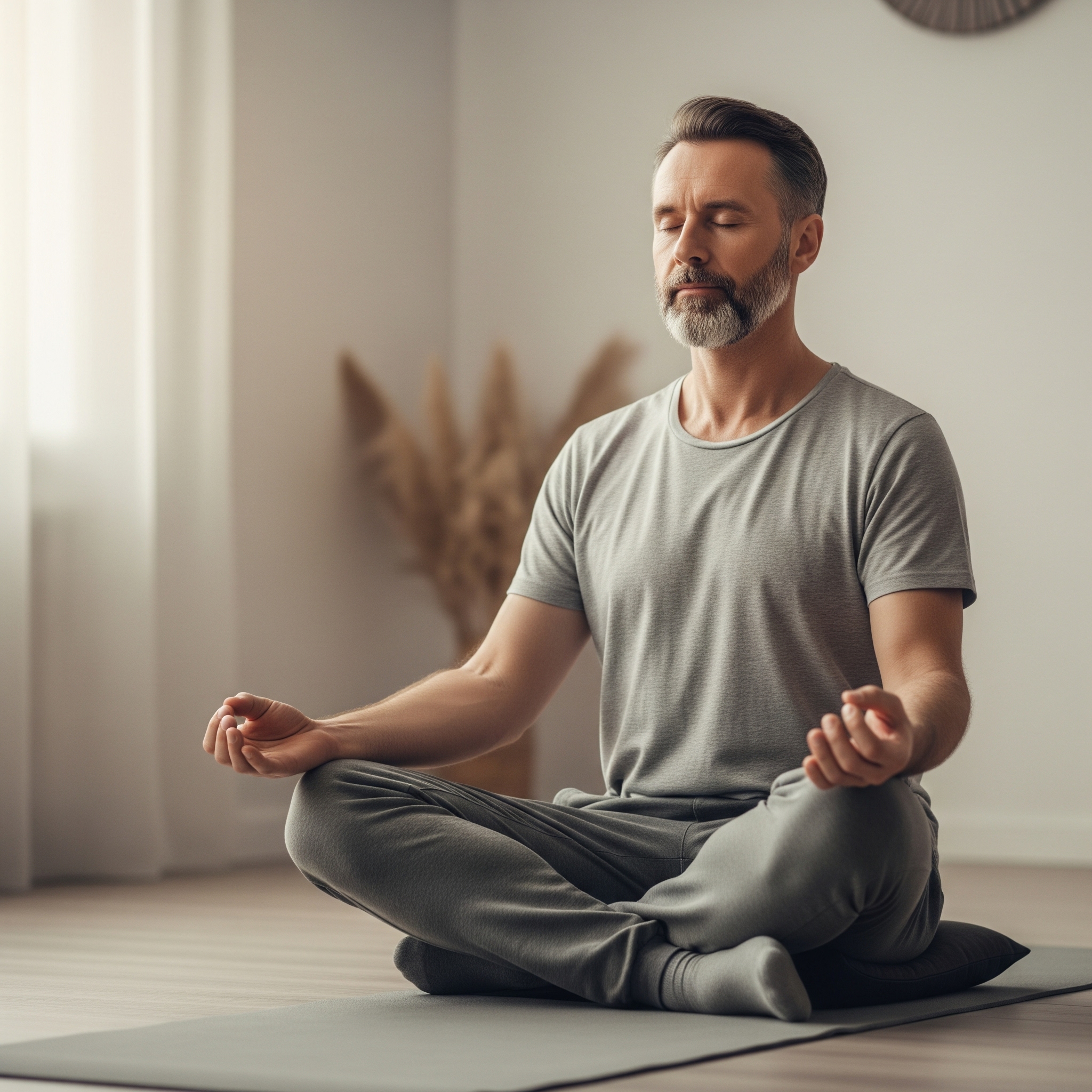
- Sit comfortably: You can sit on a chair, cushion, or floor—whatever feels best.
- Focus on your breath: Notice the sensation of each inhale and exhale.
- Gently return: When your mind wanders, kindly bring your focus back to the breath without judgment.
Remember, meditation is a practice — it’s normal for the mind to wander. The act of returning your attention is where the growth happens.
Integrating Mindfulness into Daily Life
While formal meditation is powerful, mindfulness can also be brought into everyday activities. Here are some simple ways to cultivate mindfulness beyond your meditation cushion:
- Mindful eating: savor each bite, notice textures and flavors.
- Mindful walking: feel the ground beneath your feet, the rhythm of your steps.
- Mindful listening: fully focus on the sounds around you without judgment.
- Mindful pauses: take a few breaths before responding to emails or conversations.
These small moments of awareness build a reservoir of calm and clarity that support your meditation practice and overall wellbeing.
Common Challenges and How to Overcome Them
It’s normal to encounter challenges when starting meditation. Here are some common ones and tips to navigate them:
- Restlessness: Try shorter sessions or include gentle movement before meditating.
- Sleepiness: Meditate sitting upright and choose times when you feel alert.
- Frustration with wandering thoughts: Remember that wandering is natural; returning your attention is the practice.
- Impatience: Consistency over perfection leads to growth over time.
The Lifelong Journey of Mindfulness
Mindfulness through meditation is not a quick fix but a lifelong journey. It invites us to meet ourselves with kindness, curiosity, and acceptance. As we deepen this practice, we find that mindfulness becomes less about “doing” and more about “being.”
By choosing to cultivate mindfulness daily, you are planting seeds of peace and clarity that will grow and blossom in every area of your life.